Umsizi Sustainable Social Solutions https://www.umsizi.co.za/ Socio-Economic Development Solutions Sun, 03 May 2026 20:15:24 +0000 en-US hourly 1 https://wordpress.org/?v=6.8.6 https://www.umsizi.co.za/wp-content/uploads/2021/07/cropped-B-BBEE-Badge-32x32.png Umsizi Sustainable Social Solutions https://www.umsizi.co.za/ 32 32 Social Sustainability Solutions: Building Stronger Communities and Responsible Businesses in South Africa – An Umsizi perspective https://www.umsizi.co.za/social-sustainability-solutions-building-stronger-communities/ Sun, 03 May 2026 20:00:43 +0000 https://www.umsizi.co.za/?p=2767 Social Sustainability Solutions: Just a Corporate Obligation?

In recent years, the conversation around sustainability has shifted. The focus has long been centred around environmental responsibility and ticking compliance boxes. As of late, the focus is expanding, and two additional major pillars, namely good governance and social sustainability, are emerging as equally important to environmental stewardship.  

This is where social sustainability solutions come into focus.

For many organisations in South Africa, particularly in sectors like mining, manufacturing, and large-scale industry, the pressure to demonstrate meaningful social impact is growing. Regulators, investors, employees, and the communities are pushing for more inclusion and transparency in the social space and global Environmental, Social, and Governance (ESG) standards are measuring this. But social sustainability isn’t a one-size-fits-all checklist. It’s a strategic, deeply human process that requires insight, structure, and long-term commitment.

Understanding Social Sustainability in the ESG Framework

ESG frameworks have become the global standard for measuring responsible business practices, improving transparency and accountability. While environmental and governance factors often get the spotlight, the “S” in ESG remains the most neglected pillar, despite it being arguably the most impactful.

Social sustainability focuses on:

  • The wellbeing of employees 
  • The development of surrounding communities 
  • Ethical labour practices 
  • Health, safety, and human rights 
  • Inclusive economic participation 

In South Africa, this takes on even greater importance due to historical inequality, high unemployment rates, and ongoing socio-economic challenges, an issue the government has taken various steps to address through the BBBEE and Employment Equity Acts. 

A well-designed corporate social sustainability solution ensures that businesses are compliant and actively contributing to long-term societal improvement for their employees and communities.

The Real Impact: Employees and Communities

At its core, social sustainability is about people. But the impact plays out in two critical areas: inside the organisation and beyond its walls.

Employees: The Internal Ecosystem

Employees are the first and most immediate beneficiaries of strong social strategies.

Effective social sustainability solutions can:

  • Improve workplace safety and wellbeing 
  • Strengthen employee engagement and morale 
  • Promote diversity, equity, and inclusion 
  • Provide access to skills development and career growth 

It is a well-known fact that when employees feel valued and supported, productivity increases, retention improves, and the organisation builds a culture that attracts top talent. This has direct impacts on business unit level profitability and client/customer satisfaction, Krekel et al. (2019) found that there is a “significant, strong positive correlation between employees’ satisfaction with their company and employee productivity and customer loyalty”.

Communities: The External Responsibility

For companies operating in or near vulnerable communities, especially in mining regions, and large corporations with broad footprints and direct impacts on both the people and economies within the areas that they operate in, social sustainability extends far beyond the workplace. Mining and large corporations exist within the ambit of a community, and it is imperative to understand the social interrelationships and dynamics between the organisation and the community. This should be underpinned by ongoing and meaningful stakeholder engagement, social impact assessment, and social investment guided by priority areas such as:

  • Increasing job creation, enterprise development and skills development for greater socio-economic benefit
  • Promoting food security and livelihood programmes for greater community resilience
  • Supporting education and youth development interventions for empowering the next generation with access to sustainable economic opportunities
  • Driving interventions to deal with social issues such as substance abuse, gender-based violence, and building the capacity of leaders in developmental matters
  • Collaborating through public-private partnerships that deliver basic and essential services and infrastructure to communities 

This is where structured, well-implemented social sustainability solutions become essential. Without a clear strategy, even well-intentioned initiatives can fall flat, or worse, create dependency instead of empowerment.

From Obligation to Opportunity: Social Performance Solutions

Many organisations approach social sustainability from a compliance perspective. While compliance is critical, it is not the end goal.

Companies are shifting towards social performance solutions as a more strategic and measurable approach to social impact that are inclusive of the legislated requirements, but that are tailored to the company and its unique values and social goals.

What Are Social Performance Solutions?

These are structured systems designed to:

  • Define clear social objectives 
  • Measure outcomes and impact 
  • Align initiatives with business strategy 
  • Ensure long-term sustainability 

Rather than isolated social projects and once-off interventions, such as funding projects, organisations should begin to ask the following questions

  • What measurable difference are we making? 
  • Are our initiatives sustainable beyond funding cycles? 
  • How do we track progress and success? 
  • Are we able to build on the successes of previous social interventions?

The Role of Metrics in Social Sustainability

“What gets measured gets managed.”

This principle applies directly to social sustainability. Metrics turn intention into insight, and insight into better decision-making. Some good examples of measurable metrics include:

• Number of jobs created within communities and number of persons engaged in business, livelihood or other income earning activities

Job creation is often one of the most visible indicators of social impact, particularly in areas with high unemployment where a company has a direct impact on the economy and job creation opportunities. It is important to go beyond counting jobs, and organisations should consider the quality of employment, opportunities for growth, and whether these roles contribute to long-term economic participation, and if the skills learnt are “portable” to other industries and are thus not finite within the industry in which the company operates. A good example of some portable skills are basic computer competence and drivers’ licences, both cheap and accessible training options for companies.  Sustainable job creation should empower individuals, and not only provide temporary relief.

• Participation rates in development programmes

Participation rates offer insight into how relevant and accessible programmes are. Low participation may indicate barriers such as location, communication gaps, or lack of trust within the community. On the other hand, high participation reflects strong engagement and perceived value. Tracking this metric helps organisations refine their approach and ensure inclusivity.

• Reduction in social risks (e.g., crime, GBVF, substance abuse)

While more complex to measure, reductions in social risks are powerful indicators of long-term impact. Effective social sustainability solutions often contribute to safer and more stable communities. This requires collaboration with local stakeholders and thoughtful tracking, but the long-term benefits are significant.

• Employee wellbeing indicators

Internally, employee wellbeing is a critical component of social sustainability. Metrics such as absenteeism, engagement, and retention provide insight into how effectively an organisation supports its workforce. A strong internal culture strengthens overall business performance.

• Community satisfaction and engagement levels

Community perception can make or break a social initiative. Measuring satisfaction through feedback sessions or surveys helps organisations understand how their efforts are received, and where improvements are needed. It also builds trust and transparency which directly impacts how your companies presence will be received within an area, with hostility or with support. Future fluctuations within the organisation will be received differently depending on how your company is perceived; projects, developments, retrenchments, and processes can be handled with acceptance and support from both communities and employees if the company is in good standing with those affected.

  • Community resilience

How has the company’s social investment contributed towards improving the resilience of people living in affected communities. Has the intervention contributed towards increasing livelihood options for vulnerable persons? Are people better equipped to deal with adverse circumstances such as drought, intense rainfall events, economic challenges (such as with the current rising fuel costs and inflation), crime, social ills, lack of services, etc. Has the programme enabled communities to engage in value-creation within circular driven economies focussed on recycling and enhancing community asset stewardship e.g. regenerative-agriculture, enterprise development, manufacturing, livestock, renewable energy, green livelihoods, digital economy etc. How has the intervention empowered youth and women to take positive action towards planning and starting, or increasing, local economic activities and social welfare community-based interventions?

Developing Effective Social Policies and Strategies

One of the most overlooked aspects of social sustainability is structured policy and strategy development that has been developed through the following:

1. Clear Objectives – A strong social sustainability strategy starts clearly defined objectives. These objectives should align with ESG priorities and business goals, ensuring that social investment delivers both impact and strategic value.

2. Effective Stakeholder Engagement – Stakeholder engagement is where strategies either succeed or fail. Effective solutions require ongoing dialogue, not a once-off consultation. Communities must feel heard, and leadership must remain actively involved and receptive. 

3. Programme Design – Where strategy becomes action. Each initiative must address a real need and have a defined plan. Strong programme design considers scalability, sustainability, and long-term value from the start.

4. Implementation Framework – A structured implementation framework ensures accountability, timelines, and clear responsibilities. This turns strategy into consistent action.

5. Theory of change indicators – Establishing key metrics to measure the social impact from the social investment or intervention and transition of target beneficiaries in a community from dependency, poverty, and vulnerability, towards self-reliance and sustainability. This should also look at the pathways and processes that unfold beyond social interventions where locals take ownership towards their own desired future.

5. Monitoring and Evaluation – Monitoring and evaluation tracks if and how initiatives remain effective over time. This process enables continuous improvement and ensures long-term success.

The Role of Consulting in Social Sustainability

Organisations often struggle with the internal capacity to develop and implement comprehensive social sustainability strategies that align to the plethora of regulations and standards that exist both nationally and internationally. This is where consulting plays a critical role.

• Policy and strategy development

Consultants help translate ESG standards into actionable frameworks unique to the company goals. This ensures that strategies are aligned, practical, and measurable, providing a strong foundation for implementation.

• ESG alignment and reporting

Aligning social initiatives with ESG frameworks can be complex. Consultants assist with structuring data, defining indicators, and ensuring credible reporting that builds trust with stakeholders and investors on a global scale.

• Programme design and implementation

Consultants bring experience and insight, helping organisations design scalable, effective programmes while avoiding common pitfalls, and provide structure during implementation.

• Compliance with mining and social regulations

In sectors like mining, compliance is critical. Consultants help navigate requirements within mining legislation such as the Mining Charter III, the MPRDA, and the Employment Equity act, ensuring that obligations translate into meaningful community impact.

• Stakeholder engagement frameworks

Structured engagement frameworks improve communication, reduce conflict, and build long-term trust between organisations and communities. This is crucial for the success of any sustainable strategy, and could make or break a project before it starts. 

Addressing South Africa’s Unique Social Challenges

South Africa presents a unique and complex environment for social sustainability.

Challenges include:

  • High unemployment and lack of economic opportunities
  • Failure of municipalities and governance
  • Breakdown in basic services and infrastructure
  • Food insecurity and rising food costs
  • Skills shortages and access to quality education
  • Social instability in certain regions 
  • Increase in crime and social ills

Effective social sustainability solutions must be:

  • Context-specific 
  • Community-driven 
  • Sustainable over time 

Programmes must be designed with local realities in mind to ensure real impact.

Sustainability That Lasts: Moving Beyond Short-Term Projects

One of the biggest pitfalls in social development is the reliance on short-term, once-off initiatives. While these efforts may provide immediate relief, they do not address the underlying challenges facing communities, and in many cases, they can even unintentionally create dependency.

For organisations operating in complex environments such as mining regions or under-resourced communities, this sporadic approach is not effective and does not result in the outcomes that ultimately positively benefit the company, i.e. community good-well, project support and buy-in. Sustainable impact requires a deliberate shift from reactive to structured, long-term development.

True sustainability focuses on:

  • Long-term impact

Sustainable initiatives are designed with longevity in mind. This means moving beyond annual budgets or once off investments, and instead building programmes that can evolve and continue delivering value over time. For Umsizi, this often involves designing multi-phase multi-pronged development initiatives that align with best practice and legislation requirements in the mining industry and create measurable, lasting outcomes. 

  • Community empowerment

Empowerment is about enabling communities to take ownership of their own development and futures. Umsizi’s approach focuses on equipping individuals and groups with the knowledge, tools, and structures needed to drive progress without the dependency on the organisation. At an individual level, this creates dignity and ownership, and resilience and support within communities. 

  • Economic participation

Sustainable development must create pathways into the active economy. This includes enterprise development, business training, and supporting SMMEs and businesses so that communities can actively participate in, benefit from, and create a circular economy that is not reliant on large organisations or mining houses for their jobs and income. Umsizi’s programmes often integrate these elements to ensure that development translates into real economic opportunity. 

  • Self-sufficiency
    The ultimate goal of any social sustainability solution should be independence. Through food security programmes that evolve into community-led production, or skills initiatives that lead to entrepreneurship or employment, Umsizi’s focus is on reducing reliance, and building long-term capacity and resilience. 

The shift from relief to empowerment is what defines successful social sustainability solutions. Umsizi add the most value by designing and implementing programmes that fundamentally change the trajectory of individuals’ lives and their communities over time.

The Business Case for Social Sustainability

There is a strong business case for investing in social sustainability. Benefits include:

  • Improved reputation

Organisations that actively invest in social sustainability are increasingly seen as responsible, forward-thinking, and trustworthy. In today’s environment, reputation is shaped not just by what a company says, but by what it does, and this can be very pronounced and even tangible in the communities where it operates. Demonstrating real, measurable impact strengthens company image and can position the organisation as a committed partner in social progress. 

  • Stronger community relationships 

Social sustainability builds trust between organisations and the communities they operate in. When communities feel included, supported, and heard, relationships shift, often from scepticism to support and collaboration. This is particularly important in sectors like mining, where community sentiment can greatly influence operations, the success or failure of their social projects, the relationship with the employees sourced locally, and the future initiatives in the area. 

  • Reduced operational risk

Poor community relations, unresolved social issues, and lack of engagement can lead to distrust, disruptions, or reputational damage. By proactively investing in social sustainability solutions, organisations reduce these risks significantly and proactively by addressing potential challenges.

Increased investor confidence

Investors are placing growing importance on ESG performance, particularly the social component. Companies that can demonstrate clear social strategies, measurable outcomes, and transparent reporting are more attractive to investors. 

  • Better ESG performance

Strong social sustainability initiatives directly contribute to improved ESG ratings and reporting. This supports local compliance and enhances the organisation’s standing in global markets. A well-executed social strategy ensures that the “S” in ESG is not overlooked and actively drives performance and accountability. 

In many industries, this directly impacts long-term success. Organisations that invest in people and communities are better positioned to operate sustainably, grow responsibly, and maintain their social licence to operate.

A Strategic Path Forward

To strengthen social impact, organisations should:

  • Assess current initiatives

Many organisations have multiple social initiatives in place, but these are often fragmented or not aligned with a broader strategy. Conducting a thorough assessment helps identify gaps, and opportunities for improvement, creating a clear starting point for more structured development. 

  • Align with ESG frameworks

Social initiatives should be aligned with recognised ESG frameworks to ensure consistency, credibility, and effective reporting. This alignment helps organisations measure impact more accurately and communicate their efforts to stakeholders, investors, and regulators in a structured and transparent way. 

  • Develop structured strategies

A clear, well-defined strategy is essential, this includes setting objectives, defining priority areas, creating a roadmap for implementation, and monitoring and evaluation procedures. A strong strategy ensures alignment across all levels of the organisation. 

  • Implement measurable solutions

Social sustainability efforts must be measurable to be effective. This means defining key performance indicators, tracking progress, and evaluating outcomes regularly. Measurable solutions allow organisations to demonstrate real impact, refine their approach, and ensure accountability. 

  • Engage stakeholders consistently

Ongoing stakeholder engagement is critical. This includes regular communication with communities, employees, government entities, and partners. Consistent engagement builds trust, and ensures that initiatives remain relevant and responsive to real needs.

  • Monitor and Evaluate

Regularly monitor the outcomes and impact of ESG strategies and programmes. Improve, refine, and adjust these programmes accordingly. Evaluate the true social performance and return on investment as it pertains to strengthening the “E” the “S” the “G” and the “R” (Resilience). 

This requires a mindset shift from viewing social sustainability as a cost centre to recognising it as a strategic investment in people, stability, and long-term business success.

In Conclusion: Building a Future That Works for Everyone

Social sustainability is not a trend; it is a necessity.

In South Africa, social sustainability solutions offer a pathway to:

  • Compliance 
  • Community empowerment 
  • Stronger ESG performance 
  • Long-term impact 

Organisations that embrace this approach build better businesses and help shape a stronger, more inclusive society.

]]>
The Strategic Role of Local Economic Development (LED) in South Africa https://www.umsizi.co.za/the-strategic-role-of-local-economic-development-led-in-south-africa/ Thu, 21 Aug 2025 09:50:39 +0000 https://www.umsizi.co.za/?p=2751

In the context of South Africa’s ongoing efforts to address systemic challenges such as poverty, inequality and unemployment, Local Economic Development (LED) has emerged as a vital strategy for stimulating inclusive economic growth and empowering communities. LED programmes are recognised by the South African government as crucial for national development.  LED programmes focus on utilising local resources, skills and enterprise to unlock socio-economic potential in a sustainable and locally driven manner.

LED serves as a mechanism to mitigate the social and economic impacts of extractive and exploitative industries, particularly in regions adjacent to major mining and industrial operations, while ensuring that local populations benefit directly from the presence of these otherwise depletive industries. This approach fosters resilient local economies, enhances livelihoods and promotes equity through grassroots participation in development processes.

How Umsizi’s LED Programmes Create Long-Term, Sustainable Impact

At Umsizi, we recognise that economic transformation is not achieved through short-term interventions. It requires intentional, strategic, and inclusive programming that empowers people where they live, using what they have, exposing them to broader opportunities.

Our tried and tested Local Economic Development (LED) and Socio-Economic Development (SED) initiatives are tailored to address local realities while fostering sustainability, community ownership and scalability. Umsizi’s approach centres on four core pillars:

1. Entrepreneurial Empowerment

We equip emerging entrepreneurs, small business owners and informal traders with the skills, resources and support necessary to succeed in competitive markets. This includes:

  • Practical skills development and training,
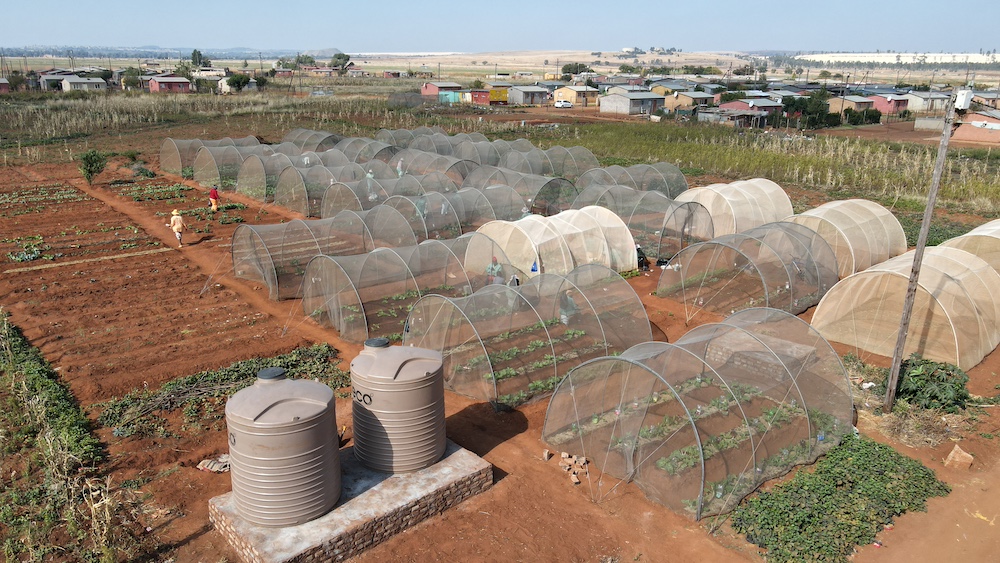
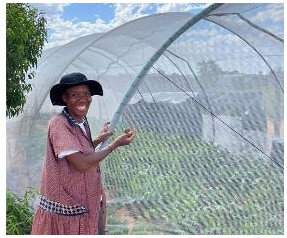
  • Access to microenterprise support infrastructure such as tall crop tunnels, rain and grey water harvesting systems, or assistance in establishing small businesses,
  • Continuous mentorship and coaching.

2. Job Creation and Workforce Inclusion

Our LED programmes bridge the gap between industry needs and local capabilities by:

  • Promoting the localisation of procurement,
  • Encouraging public-private partnerships that generate employment,
  • Facilitating youth training programmes.

In rural and peri-urban communities, this type of focus can directly reduce unemployment and create sustainable livelihoods.

3. Infrastructure Support for Economic Participation

A common barrier to local economic participation and expansion is the absence of crucial infrastructure. Umsizi’s LED solutions include:

  • Installing agricultural tunnels, water harvesting systems and irrigation to support food production,
  • Ensuring participants have the knowledge and training necessary for market access and operations.

4. Community Collaboration and Shared Prosperity

We believe in building economic ecosystems, not just isolated success stories. Umsizi actively fosters collaboration between:

  • Home growers and small-scale farmers,
  • Local government stakeholders,
  • Community leaders,
  • Corporate social investment sectors.

This networked approach promotes shared accountability, knowledge, resource pooling and inclusive local growth.

Common Challenges in LED Implementation: Tackling the Realities

Despite its transformative potential, Local Economic Development often encounters several systemic challenges, including:

– Inadequate Infrastructure and Service Delivery

Communities frequently suffer from poor road networks, unreliable power supply and water scarcity, all of which hinder production, transport and service delivery. Municipalities have the ability to benefit from the LED activity within the area, and yet hinder opportunities with the lack of basic infrastructure.

– High Unemployment and Skills Mismatch

Many areas lack formal employment opportunities or fail to connect available talent to industry demand, particularly among youth and women.

– Market Access Constraints

Even when businesses are established, limited access to formal markets, poor packaging, low pricing power and lack of digital presence restrict growth potential.

Overcoming Barriers: Umsizi’s LED Solutions in Action

Umsizi’s LED programmes respond to these challenges with practical, high-impact interventions:

1. Broad-Based Community Engagement

As a design input into our LED Programmes, Umsizi meaningfully consults with the community and interested parties before implementing a project. The benefits of this crucial step include community endorsement and buy-in on projects to reduce social risks, as well as fostering a sense of ownership for continued implementation by the community.

2. Local Procurement and Investment

We work with local corporates and municipalities to ensure that procurement pipelines support local enterprises. Prioritising local suppliers circulates funds within communities, driving circular economies, contributing to the local economy and preventing money from leaving the area.

3. Business Training and Financial Literacy

Equipping entrepreneurs with practical business skills from budgeting and pricing to marketing and record-keeping helps them transition from survivalist to growth-oriented enterprises.

Additionally, financial literacy training helps participants manage profits wisely and invest in the future of their businesses.

The Long-Term Benefits of Local Economic Development Programmes

When effectively implemented, LED programmes lead to self-sustaining local economies that grow independently of aid and handouts. The compounding benefits include:

  • Improved living standards through higher household incomes, better nutrition and access to basic services.
  • Economic independence, with communities becoming less reliant on government support and donor interventions.
  • Increased market participation, where local producers supply goods and services across value chains.
  • Circular economic growth, where income circulates locally and fuels new opportunities in agriculture, retail, services and manufacturing.
LED programmes economic transformation is not achieved through short-term interventions.

Join Umsizi: Your Trusted LED Implementation Partner

At Umsizi Sustainable Social Solutions, we don’t just design programmes, we walk alongside communities, corporates and municipalities to ensure that every LED investment yields measurable, meaningful outcomes.

Our approach is evidence-based, community-centred and tailored to the unique needs of each locality. From mining towns and farming villages to peri-urban settlements, we bring decades of expertise in designing and implementing LED programmes aligned with Social and Labour Plans (SLPs), ESG goals, SDG Goals and Integrated Development Plans (IDPs).

Take the Next Step: Join Us in Driving Local Economic Growth

If you’re a mining company, municipality, or business seeking a credible LED partner that delivers impact with integrity, Umsizi is ready to help you unlock the untapped potential in your communities.

Contact us today to learn more about our turnkey Local Economic Development strategies and discover how we can partner to create jobs, reduce poverty and build thriving local economies, together.

]]>
Unlocking Economic Potential Through Local/ Socio-Economic Development Programmes https://www.umsizi.co.za/unlocking-economic-potential-through-local-socio-economic-development-programmes/ Tue, 12 Aug 2025 08:45:00 +0000 https://www.umsizi.co.za/?p=2740

The Importance of Local Economic Development (LED)

Local Economic Development (LED) (often referred to as Socio-Economic Development (SED)) is a powerful strategy for driving economic transformation, job creation and reducing poverty. The South African government has recognised LED as a crucial approach to fostering sustainable growth in the country, particularly in areas surrounding corporate industries and mining operations. By empowering local entrepreneurs, livelihoods development and stimulating job creation, LED programmes contribute to the economic resilience of communities.

How Umsizi’s LED Programmes Create Sustainable Impact

At Umsizi, we understand the immense potential within local communities and the need for structured, sustainable economic development programmes. Our LED/SED initiatives provide a framework for:


Entrepreneurial empowerment – Helping small business owners and start-ups thrive through skills development, infrastructure opportunities and mentorship.

  • Job creation – Increased development of local talent, through expanding local businesses and stimulating the local economy within the communities, by uplifting households.
  • Infrastructure support – providing essential resources and infrastructure to qualifying participants, which enables economic participation and growth.
  • Community collaboration – Encouraging collective efforts between farmers, small business owners, and the broader community to drive shared prosperity.
  • Poverty alleviation – Driving ownership of programmes by participants and beneficiaries that decreases dependency on the sponsor, and driving sustainable poverty eradication.

The Challenges of LED and How to Overcome Them

Implementing effective LED programmes is not without its challenges. Many communities face barriers such as:

  • Lack of infrastructure and access to bulk services – Lack of or poorly maintained electricity, water recourses, sanitation, waste removal and other bulk services required for economic growth.
  • High unemployment rates – Without employment opportunities, local economies struggle to thrive.
  • Limited access to markets – Small businesses often lack the support or adequate platforms needed to reach larger customer bases.
  • Crime and safety
  • Lack of skills and knowledge

Despite these obstacles, successful LED strategies are addressing these issues by:

  1. Focusing on broad-based initiatives – Ensuring that projects reach as many households as possible, especially those below the poverty line.
  2. Encouraging local investment – Corporates and Municipalities can contribute to LED by prioritising procurement from local businesses.
  3. Community awareness and participation – Creating a circular economy where households are supporting businesses within their own community, resulting in a circulation of finances within communities.
  4. Providing business training and financial literacy programmes – Equipping entrepreneurs with the skills and knowledge to sustain and grow their ventures.
  5. Ongoing Mentoring and coaching

The Long-Term Benefits of LED Programmes

The success of LED initiatives is measured by their ability to create self-sustaining local economies. When funds are re-invested within communities, economic circulation strengthens, leading to:

  • Improved living standards for all residents.
  • A reduction in dependency on external aid.
  • Increased economic participation across various sectors.
  • A robust circular economy
  • Reduction in unemployment
  • Poverty eradication
  • Sustainable long-term impact

Partner with Umsizi for Effective LED Solutions

At Umsizi, we are committed to developing and implementing sustainable, high-impact LED programmes that drive real change. Our tailored solutions are designed to uplift communities, support local businesses, and create lasting economic growth and socio-economic transformation.

If you are looking for expert-led LED and SED strategies, get in touch with us today. Let’s work together to unlock the full potential of local communities and build a more sustainable future.

]]>
The Importance of Skills Development in a Rapidly Changing World https://www.umsizi.co.za/the-importance-of-skills-development-in-a-rapidly-changing-world/ Wed, 28 May 2025 08:30:05 +0000 https://www.umsizi.co.za/?p=2712

In today’s dynamic and competitive landscape, one thing is clear: skills are the new currency of success. The pace of technological advancement, economic shifts, and evolving workplace demands make continuous learning and skills development more critical than ever. Whether you’re an individual looking to future-proof your career, or an organization striving to remain competitive, investing in skills development is not just a nice-to-have—it’s a necessity.

1. Adapting to Technological Change

With the rise of automation, artificial intelligence, and digital transformation, many traditional roles are being redefined or replaced. Skills that were in high demand a few years ago may now (or soon) be obsolete. Continuous skills development allows individuals to adapt to these changes, stay relevant, and seize emerging opportunities.

2. Enhancing Employability and Career Growth

For employees, acquiring new skills enhances employability and opens doors to career advancement. It boosts confidence, job satisfaction, and the ability to take on new responsibilities. For employers, a skilled workforce leads to higher productivity, innovation, and a stronger competitive edge.

Skills Development for youth

3. Supporting Economic Growth

A nation’s ability to compete on a global stage depends significantly on the skills of its workforce. Skills development not only drives business growth, but also contributes to reducing unemployment, poverty, and inequality. It empowers people to access better job opportunities and improve their quality of life.

Continuous learning and skills development more critical than ever.

4. Encouraging Lifelong Learning

In a world that never stops evolving, the concept of learning should not be limited to formal education. Skills development promotes a culture of lifelong learning, where individuals take ownership of their personal and professional growth throughout their careers.

5. Bridging the Skills Gap

Many industries face a growing skills gap, where the skills that employers need don’t match what workers can offer. Addressing this gap through targeted training and development ensures that both individuals and organizations can meet future challenges with confidence.

6. Fostering Innovation and Agility

Organizations that encourage learning and development are better positioned to innovate and adapt. Employees who are continuously developing their skills tend to think more creatively, solve problems more effectively, and embrace change more easily.

Umsizi and Skills Development

At Umsizi, we believe in the vast potential of individuals and communities across South Africa. Our mission is to empower organisations, individuals, and communities to achieve broad-based development through measurable social and economic solutions. Since its founding in 2006, Umsizi has developed an extensive portfolio of socio-economic development solutions, empowering tens of thousands of households across South Africa. Our programmes have been implemented in all nine South African provinces, with experience extending to other African countries.

We are in the business of upliftment, skills development, and sustainable solutions at a grassroots level. Our holistic Socio-Economic Development (SED) and Local Economic Development (LED) programmes offer a sustainable foundation for harnessing this potential and enabling individuals to succeed. We take an inclusive approach that addresses economic, social, and environmental dimensions of development, and we help foster meaningful and lasting transformation within these communities.

Umsizi delivers solutions that directly drive the growth of productive economic activity, boost profitability, support enterprise expansion, and strengthen livelihood resilience. Our range of productive infrastructure services includes sustainable access to water and energy, as well as initiatives for agricultural and local economic development.

In addition to our external initiatives, we are deeply committed to investing in our internal team. We continuously support our employees through ongoing training and skills development programmes aimed at enhancing their capabilities and expanding their professional skillsets.

We further demonstrate our commitment through both financial and relational investments by awarding bursaries and facilitating learnership opportunities for underprivileged learners. Over the past three years, Umsizi has journeyed alongside seven learners from a local high school, providing both financial support for school fees, and meaningful exposure to various aspects of our organisation and our NPO Impophomo Rushing Waters. These students have participated in Umsizi-facilitated training sessions and engaged in experiential learning through involvement in several of our NPO-led projects.

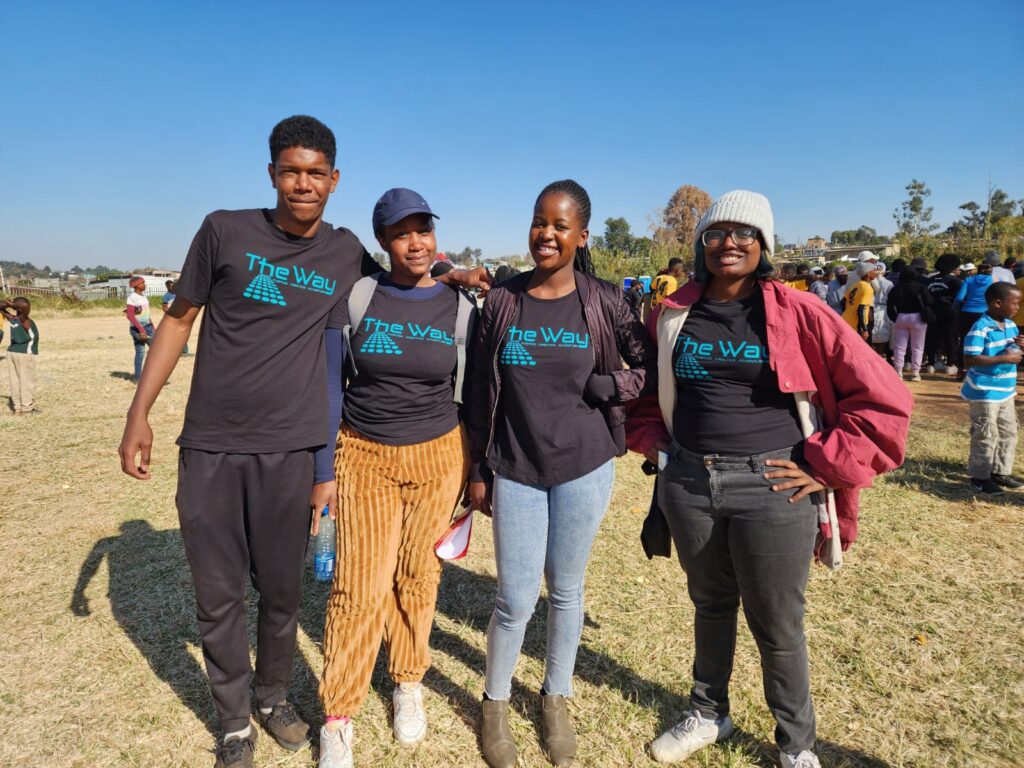
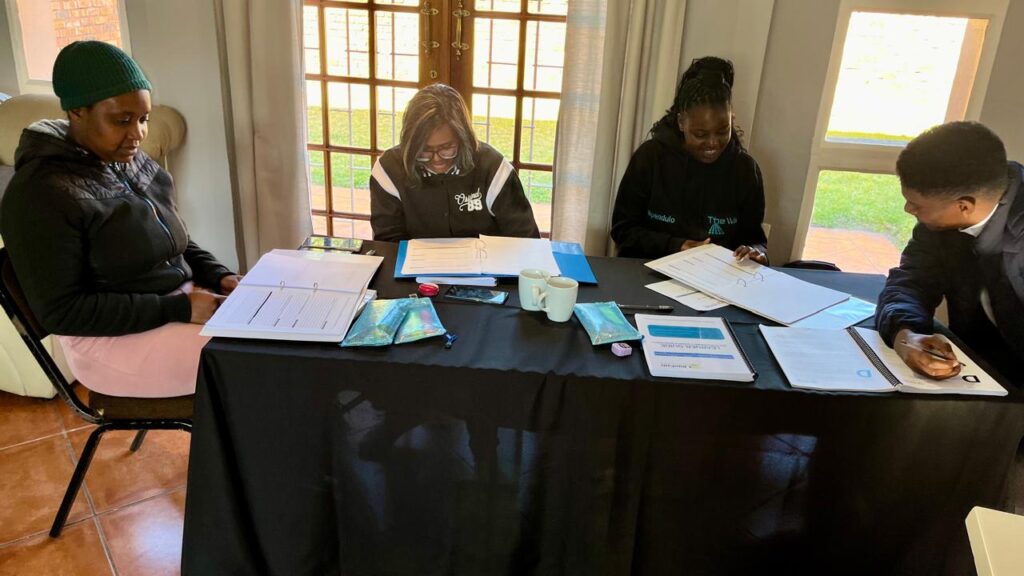
Umsizi is proud to have assisted three additional learners to successfully graduate from The Way Learnership Programme, an initiative designed to equip young adults with the skills, knowledge, and opportunities needed to build purposeful and sustainable futures. This programme extends beyond traditional learnership models, striving to deliver transformative impact in the lives of its participants. The skills development achieved through this learnership include Business Administration (NQF Level 4 Business Administration Certificate); Career Planning; Project Planning and Collaboration; IT and Computer Literacy; Life Skills Development; Healthy Living; Community Engagement and Professional Mentorship and Job Shadowing.

Final Thoughts

Skills development is more than just training—it’s about building a mindset of growth, adaptability, and resilience. Whether you’re learning a new digital tool, mastering leadership techniques, or improving communication skills, every step you take strengthens your value and potential.

In a fast-moving world, standing still is not an option. The commitment to learning and developing new skills is what will keep you—and your organization—ahead of the curve.

]]>
Transforming Lives through Socio-Economic Development: The Umsizi Approach  https://www.umsizi.co.za/transforming-lives-through-socio-economic-development/ Sun, 25 Aug 2024 17:03:55 +0000 https://www.umsizi.co.za/?p=2558

Introduction 

Socio-economic development is a critical process that enhances the well-being and quality of life of individuals in disadvantaged communities. Umsizi, a leader in this field, specializes in designing and implementing socio-economic development programmes and projects that generate meaningful empowerment, livelihood development, income creation, enterprise development, and poverty eradication. This article explores how Umsizi’s tailored solutions ensure that clients meet their legislative, charter, and global best practice requirements while significantly improving community welfare. 

Umsizi’s Approach to Socio-Economic Development 

Umsizi’s comprehensive approach to socio-economic development is built on understanding the unique needs of each community. By conducting thorough assessments, and meaningful stakeholder engagements, Umsizi identifies the key areas that require intervention, ensuring that every project is customized to address specific challenges. These mainly relate to unemployment, inequality, and social upheavals. This targeted strategy allows Umsizi to create impactful programmes that foster sustainable growth, socio-economic development, and social renewal. 

Transforming Lives through Socio-Economic Development 3

Empowerment and Livelihood Development 

Empowerment is at the heart of Umsizi’s socio-economic development initiatives. Through various training and capacity-building programmes, Umsizi equips individuals with the skills and knowledge needed to improve their economic prospects. These programmes focus on areas such as financial literacy, vocational training, horticultural training, entrepreneurship, and specialist economic skills, enabling community members to take control of their economic futures.

Income Creation and Enterprise Development 

Creating sustainable income opportunities is crucial for the economic upliftment of disadvantaged communities. Umsizi’s projects focus on developing local enterprises and supporting small businesses. By providing access to resources, mentorship, and markets, Umsizi helps entrepreneurs build successful businesses that contribute to the local economy. These initiatives not only create jobs, but also foster a culture of entrepreneurship and innovation. 

Transforming Lives through Socio-Economic Development 4

Poverty Eradication through Sustainable Solutions 

Poverty eradication is a fundamental goal of Umsizi’s socio-economic development programmes. By addressing the root causes of poverty, such as lack of education, unemployment, food insecurity, and limited access to resources, Umsizi implements sustainable solutions that provide long-term benefits. These solutions include agricultural livelihood projects, infrastructure development,and access to clean water and sanitation local economic development, and poverty eradication, all of which are essential for improving living conditions and reducing poverty. 

Ensuring Compliance with Legislative and Charter Requirements 

Umsizi’s expertise extends beyond community development to ensuring that clients meet their legislative, charter, and global best practice requirements. By staying abreast of the latest regulations and industry standards, Umsizi helps clients navigate the complex landscape of socio-economic development compliance. This ensures that all projects are not only effective, but also legally and ethically sound. The most important is aligning our clients’ development programmes to the global sustainability goals encapsulated in ESG (Environment, Social and Governance).  

Global Best Practices in Socio-Economic Development 

Umsizi is committed to implementing global best practices in all its projects. This involves adopting innovative approaches, leveraging cutting-edge technologies, applying scientific development practices, and engaging with international development organizations to stay updated on the latest trends and methodologies. By doing so, Umsizi ensures that its socio-economic development programmes are effective, sustainable, scalable, measurable, and contribute to meaningfully impacting societies.  

Conclusion 

Socio-economic development is a vital process for improving the quality of life in disadvantaged communities. Umsizi’s specialized programmes and projects are designed to generate meaningful empowerment, livelihood development, income creation, enterprise development, and poverty eradication. By ensuring compliance with legislative, charter, and global best practice requirements, Umsizi not only meets the needs of its clients, but also contributes to the sustainable development of communities. Through its dedicated efforts, Umsizi continues to make a significant impact on socio-economic development in South Africa and beyond. 

]]>
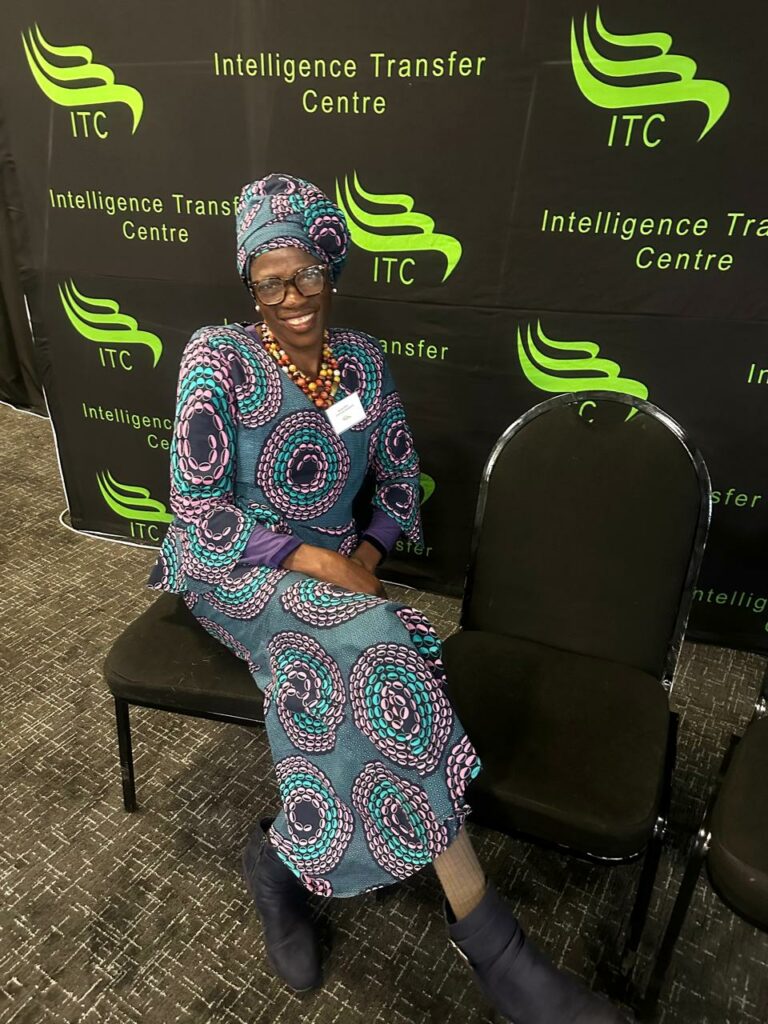
ICT Social and Labour Plan (SLP) conference https://www.umsizi.co.za/ict-social-and-labour-plan-slp-conference/ Sun, 25 Aug 2024 04:49:48 +0000 https://www.umsizi.co.za/?p=2535

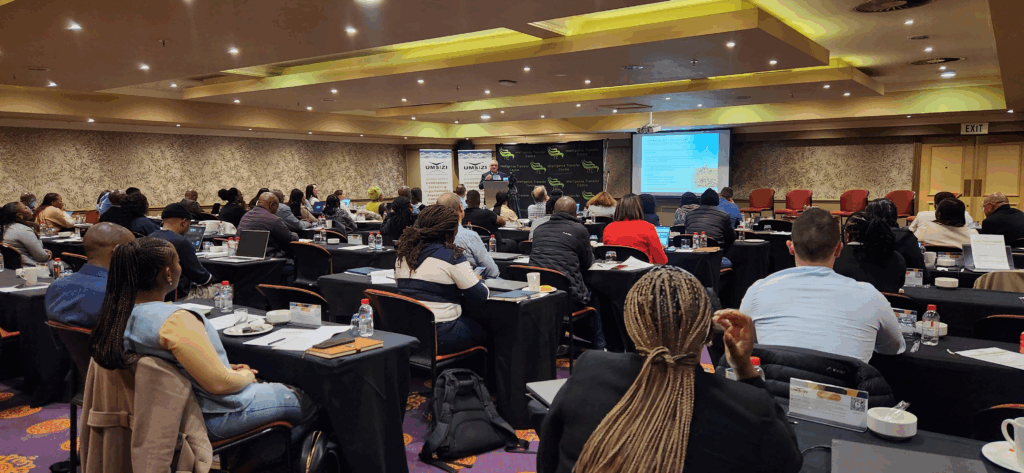
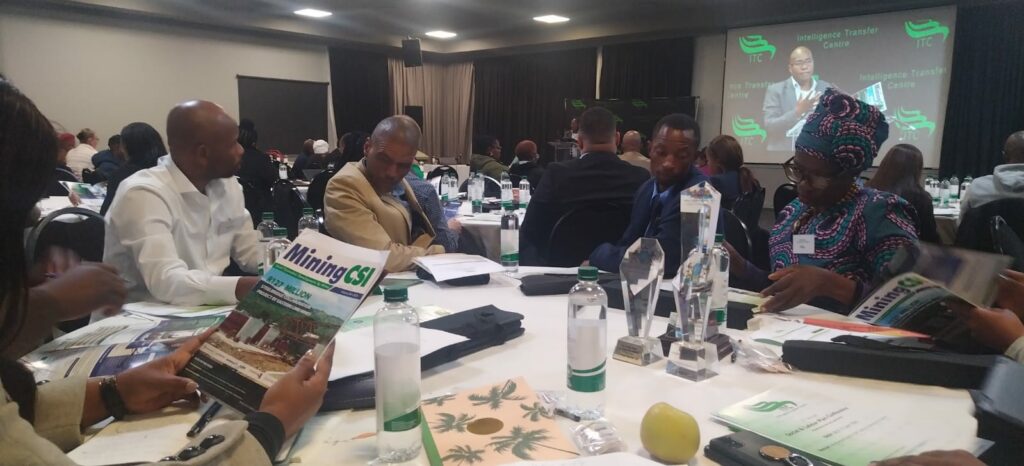
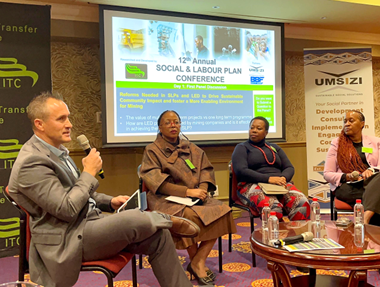
Another year has passed for the ICT Social and Labour Plan (SLP) conference, and the question remains: Are these platforms truly adding value to the lives of SLP practitioners? At this conference, practitioners from various operations across the country come together to share experiences, best practices, and strategies for managing the complex challenges they face daily.

The reality is that many participants are overwhelmed with responsibilities. Even when they do engage, they must still attend to the demands of their operations. This raises several questions: Is the function itself under-resourced? Are practitioners struggling to delegate responsibilities while they are away? Or is it that communities insist on dealing with one specific person, making it difficult to share the workload? The pressures on these practitioners are significant. If communities decide to block the mines and halt production, the consequences could be severe. As a result, many practitioners are constantly on edge, leaving them with little time to fully engage with and utilize platforms like this conference to explore ways to improve their work environment and service delivery.

In spite of these challenges, the conference remains crucial and necessary. It enables practitioners to learn from one another, share their experiences and best practices, and more importantly, it creates opportunities for collaboration and partnership beyond the mining industry. The Umsizi Sustainable Social Solutions (Umsizi) team was among the presenters, sharing their experiences, lessons learned, and best practices that support mines and communities in their journey toward achieving and maintaining a social license to operate. Their efforts also help ordinary community members achieve financial breakthroughs. During panel discussions, the Umsizi team addressed several key topics:

ICT Social and Labour Plan conference 1

Stakeholder Alignment Complexities

Challenges in stakeholder engagement are growing, with some interactions even becoming toxic. Practitioners have faced threats, verbal abuse, and in isolated cases, physical assault. Government officials, rather than working collaboratively, often create additional obstacles, constantly shifting the goalposts. SLP practitioners have opportunities to learn from each other about strategies and tactics to build mutually beneficial relationships, not just with local communities but also with government and other stakeholders. The focus should be on what unites us as a society, not what divides us. A “them and us” mentality does not build thriving communities, but incorporating structures from different sectors of society and working together towards the common goals of confronting poverty, inequality, and joblessness can.

SLP During Mine Closure

De Beers Voorspoed shared insights from their mine closure journey, emphasizing the importance of structuring SLPs with closure in mind from the outset. Transparency about the life of a mine is crucial. While a mine’s opening brings hope and vitality to an area, its closure is inevitable, and it is essential to empower communities to be self-sufficient rather than dependent.

Sustainability Beyond SLP

It is evident that many mines are adopting a “beyond compliance” approach, aligning with international standards such as IFC and ICMM, and increasingly focusing on ESG (Environmental, Social, and Governance) strategies. To a certain degree, mines are investing even more in other social initiatives alongside the SLP to achieve their ESG strategies. However, questions arise about the alignment between the DMRE and these global standards. Is the industry advancing ahead of regulators and the communities they operate in? There is a need for more engagement among industry, government, and communities to align and move forward together, reducing ongoing conflicts. Some guidelines clash with community traditions and cultural norms, leading to misunderstandings and conflict. For example, paying “Malotsho” (a fee for visiting the Traditional House) is a long-standing tradition seen as respectful by the community but often misunderstood by the industry as bribery. Unless a common understanding is reached, conflicts will continue to arise within these blurred lines.

Partnerships and Collaborations

ICT Social and Labour Plan conference 5

South Africa’s challenges are well-known: poverty, lack of services, and deteriorating infrastructure are visible everywhere, especially in communities around the mines. It is unfair to expect one party to solve these issues alone. If ever there was a time to work together, it is now. We must unite to pull ourselves out of the hole we are slowly sinking into. The Steelpoort steel bridge was highlighted as an example of successful collaboration, and participants agreed that we must move beyond the mining industry acting alone. OMEs and other industries, such as retail, manufacturing, and banking, should be involved in building thriving communities.

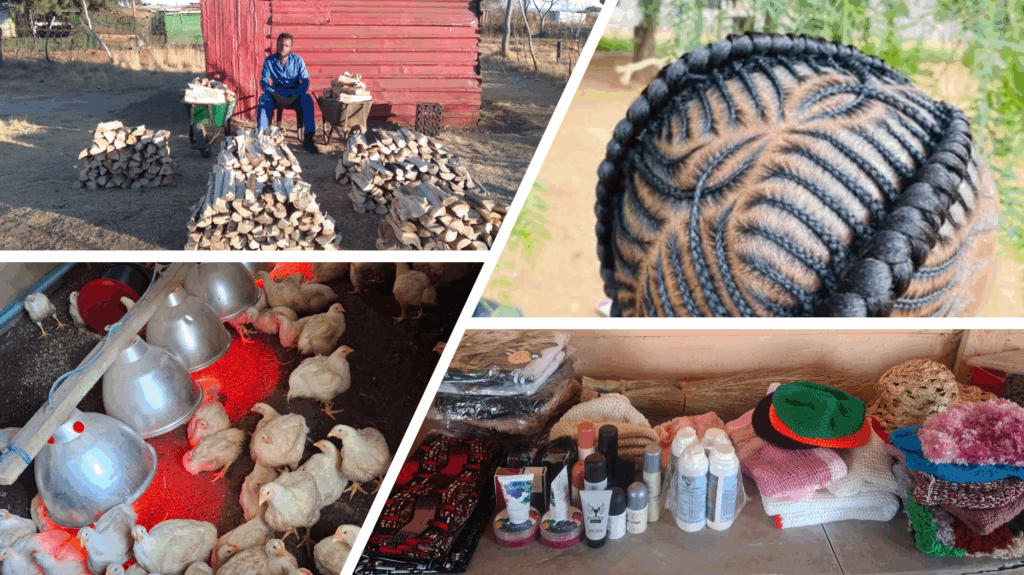
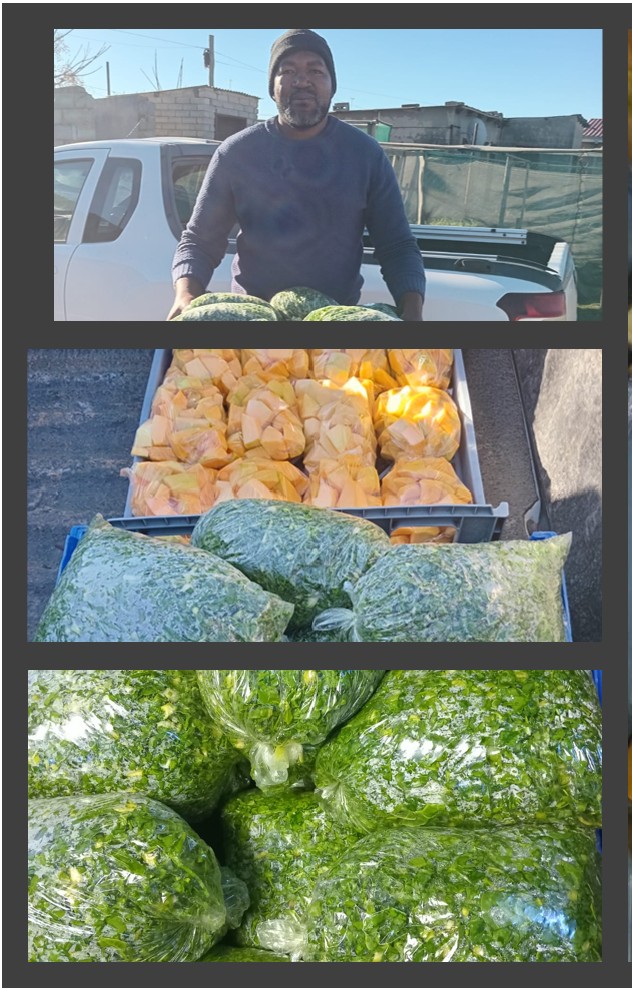
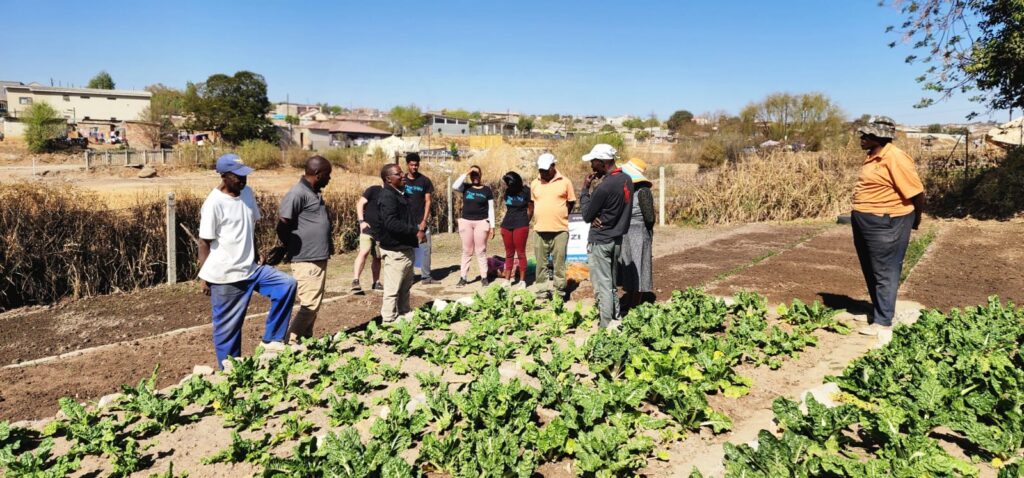
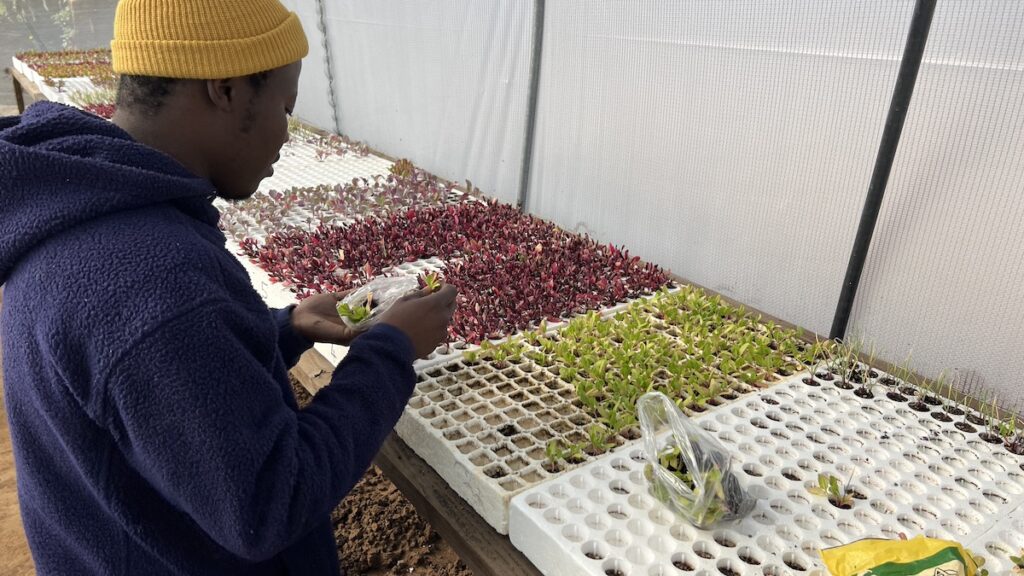
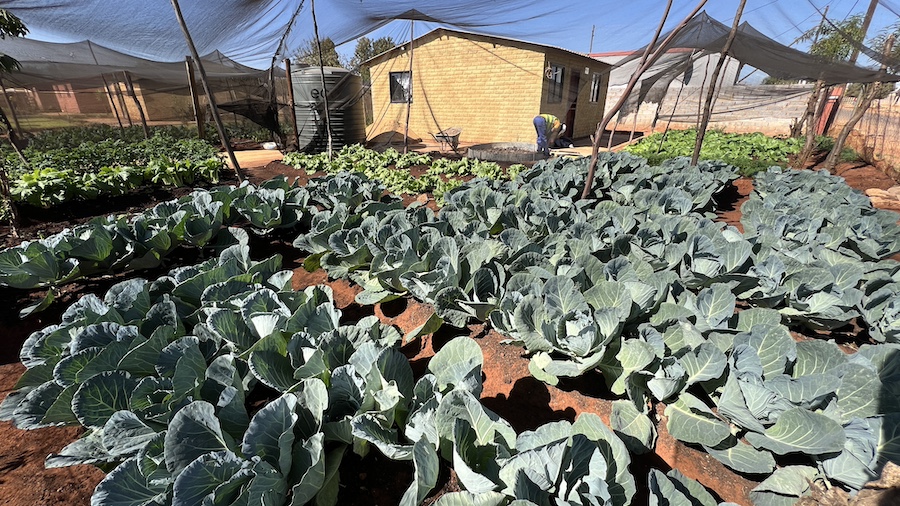
This year, the Umsizi team brought a unique element to the conference by including a virtual site visit. Through video and drone footage, conference attendees were able to “visit” a handful of the thousands of participants in the Umsizi Livelihoods programme. Additionally, Umsizi arranged for four top-performing participants to share their journeys and success stories at the conference. These beneficiaries confirmed that their lives had been transformed by the Umsizi Livelihoods programme, which Umsizi delivers on behalf of Harmony, DRD Gold, Taung Gold, and other clients. They are now teaching others to grow their own food and start small businesses.

One young woman from the Harmony programme is now teaching primary school students to create their own food gardens and feed their families. She emphasised that it’s not always about one big farm, but about empowering thousands of households and schools to become independent and no longer rely on grants. This raised a key question for participants: How did you get young people from Ekasi to fall in love with farming?

Meet some of our top performers who attended the conference:

  1. Francina-Mary Ntlebi from Kokosi
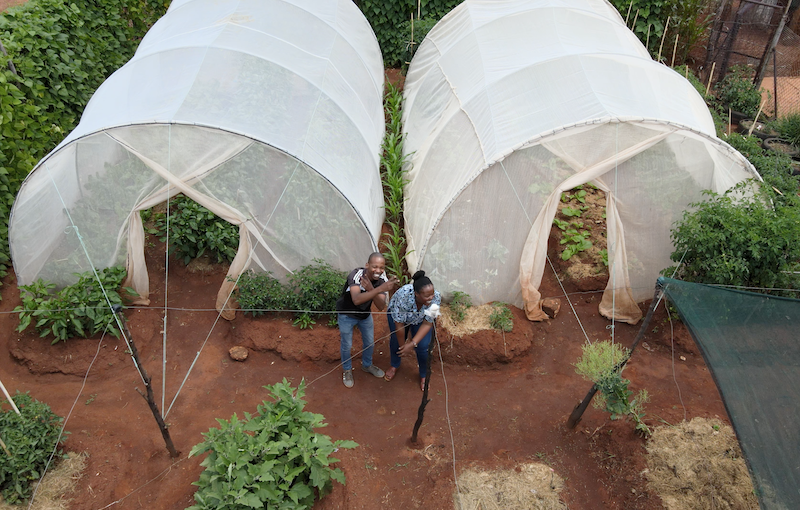
    Francina-Mary’s mother initially farmed using traditional methods in their backyard. She encouraged the initially reluctant Francina-Mary to join the Livelihoods Programme. As a young person, she was hesitant at first, but she took to it, implementing modern farming techniques and qualifying for a greenhouse tunnel. They then expanded their efforts, and production improved significantly. She now leads youth in Kokosi, encouraging them to participate in the programme and to farm. “I don’t remember when we last bought vegetables at home,” she said gratefully. The family now sells surplus vegetables for extra income and is expanding their operations into a full-fledged farm business. Francina-Mary has identified a market gap for herbs and plans to grow them so she can start her own range of organic beaty products.
  2. Thabo Molale
    Contrary to the belief that young people don’t want to farm, Thabo, a youth from Khutsong community in Merafong, has proven otherwise. After joining the Umsizi Livelihoods Programme, Thabo mastered organic farming principles, leading to abundant production. His success attracted support from organisations like Harmony, which built him a commercial greenhouse tunnel and provided water infrastructure. Thabo’s achievements have inspired many young people in the Merafong communities, and he continues to grow his commercial farming business.
  3. Martha Mnisi from Merafong, Khutsong Ext 5
    Martha has maximised every inch of her yard for farming. She joined the Umsizi Livelihoods Programme in 2018 and has taken full advantage of the training opportunities offered, including Horticulture, Basic Business, and Expansion Agriculture training. She secured land from the municipality for expansion, and is now part of the Umsizi Expansion Agriculture programme, which focuses on scaling up operations. Martha has her own client base and packages and delivers her vegetables to her clients and within her community. Martha is committed to sharing her skills with others in her community, and has trained thousands. Her dedication has earned her several awards.
  4. Max Nkwana from Soweto
    Already farming when the Umsizi Livelihoods Programme was introduced in Soweto, Max benefited greatly from the Basic Business programme, particularly in record keeping. This skill proved crucial when he won a major aquaponics project in Soweto, where meticulous record keeping set him apart from competitors.

In conclusion, SLP practitioners continue to seek strategies and approaches to build mutually beneficial relationships with communities and governments. The ultimate goal for everyone is to identify, co-create, and implement social solutions that bring greater impact for the benefit of all.

]]>
Understanding South Africa’s Social and Labour Plan https://www.umsizi.co.za/understanding-south-africas-social-and-labour-plan/ Mon, 29 Jul 2024 15:08:55 +0000 https://www.umsizi.co.za/?p=2524

Empowering Change: Understanding South Africa's Social and Labour Plan

From the dusty inception of the first mine in Springbok, South Africa in 1852, mining has held a pivotal role in the nation’s economic, social, and political landscape. Over the years, it has not only shaped the country’s geography, but also highlighted the glaring inequalities that inundated its industry. To address these issues and forge a more equitable future, the Social and Labour Plan (SLP) was introduced by the Department of Minerals and Resources (DMRE). This plan stands as a beacon of transformation, fostering progress through economic development and community growth.

Historical Inequalities in Mining

The roots of the SLP lie in acknowledging the historical challenges of South Africa’s mining sector. Originally, ownership of mines was monopolised by a minority of white individuals, which led to the neglect of vast mineral resources and marginalised groups like HDPs. Labor practices, such as the migrant-labour system, and neglect of safety issues exacerbated inequalities, while communities dependent on mining often suffered when operations ceased, resulting in abandoned or ‘ghost towns’.

The Birth of the Social and Labour Plan (SLP)

To rectify these historical injustices, and set the mining industry on a path toward meaningful transformation, the SLP emerged as a legal framework in South Africa around 2002 when the Minerals and Petroleum Resource Development Act (MPRDA) was promulgated. Acting as a contractual agreement between mining right holders and the DMRE, the SLP outlines specific commitments by mines to implement socio-economic development initiatives for both mine employees and the surrounding communities. This commitment is vital for a mine to secure its mining right, as well as its “social license” to operate.

Understanding South Africa's Social and Labour Plan 2

Key Elements of the SLP (Social & Labour Plan)

  1. Human Resources Development (HRD): The SLP emphasises the growth and development of mine employees, with a focus on HDPs. HRD programmes aim to equip workers with skills that enable personal advancement and create alternatives for livelihoods after their mining careers. These programmes include sub-programmes that promote skills development, employee progression within the organisation, and the acquisition of portable skills that can be utilised beyond the mine’s lifespan.
  2. Mine Community Development/Local Economic Development: The SLP promotes community growth by directing mining companies to contribute to socio-economic development. This involves identifying projects aligned with governmental development frameworks and community needs, such as bulk infrastructure, basic services, poverty alleviation, skills development, and enterprise and supplier growth. The SLP mandates that these projects target high-impact areas, and provide the greatest possible socio-economic benefits to a broad section of the population. By focusing on local economic development, the plan seeks to establish self-sustaining communities that thrive beyond the presence of mining activities.
  3. Procurement, Enterprise, and Supplier Development: Recognising the significance of local economic growth, the SLP drives mining companies to prioritise procurement from HDP-owned, women-owned, youth-owned, and Broad-Based Black Economic Empowerment (BBBEE) compliant companies. This emphasis on local procurement, and enterprise and supplier development, aims to create a more inclusive economic ecosystem that generates jobs, stimulates local business, and reduces dependency on external markets or the mining operation as suppliers.
  4. Housing and Living Conditions: The SLP mandates the submission of housing and living conditions plans that ensure employees and their families reside in decent homes and have improved living standards through access to basic services and bulk infrastructure. This includes the opportunity for home ownership, a crucial step toward restoring human dignity. By addressing the housing needs of workers and their families, the SLP aims to create an environment conducive to physical, emotional, and psychological well-being, ultimately fostering a more engaged and productive workforce.
  5. Management of Downsizing and Retrenchment: In alignment with the Mining Charter III (2018), the SLP necessitates plans for managing downscaling and retrenchment in a manner that minimises social and economic impacts on affected employees and communities. This includes the establishment of Future Forums comprising both mine management and contractor and employee representatives. These forums collaboratively address labor-related issues, explore alternatives to job losses, and implement strategies to reduce the negative consequences of downscaling and retrenchment.

Achieving Transformation and Sustainability

In essence, the SLP serves as a vehicle for promoting transformation and equitable growth within the mining industry and its surrounding communities. This transformation is not just about achieving numerical quotas or regulatory compliance, but fostering an environment where HDPs gain access to opportunities, services, and resources that were previously denied to them. It is about rectifying the wrongs of the past, and building a more inclusive, sustainable future for all South Africans.

A Shared Responsibility

While the SLP is a vital instrument in driving transformation, it is not a standalone solution. The responsibility to transform the mining sector and uplift communities falls on the shoulders of multiple stakeholders: mining companies, communities, government bodies, and society at large. True progress requires a collaborative effort, with mines working hand in hand with communities and local governments to design and implement long-term sustainable plans. This cooperative approach not only empowers communities, but also ensures that the benefits of mining extend beyond the lifetime of a single operation.

The Journey Ahead

As South Africa continues on its path towards a more equitable society, the SLP is a cornerstone of transformation. It encapsulates the collective commitment to address historical imbalances, uplift HDPs, and promote sustainable development. By embracing the responsibilities outlined in the SLP, mining companies, communities, and the nation as a whole can move forward with the shared goal of building a brighter, more inclusive future. The SLP isn’t just a legal requirement; it’s a roadmap to progress, equality, and prosperity for all.

Through its implementation, South Africa can rewrite the narrative of its mining industry, ensuring that the wealth beneath the earth benefits every citizen above it.

How can Umsizi help?

Umsizi holds extensive knowledge and experience in the mining, social development, and legal compliance sectors. This is achieved through our deep understanding of community dynamics, experience gained from years of direct partnerships across a spectrum of stakeholders, working with a diverse portfolio of clients from burgeoning junior mines to major mining corporations with global investors. Our expertise extends to the comprehensive understanding of Social and Labour Plans (SLPs) and the critical role they play in ensuring compliance with South Africa’s mining legislation. We are adept at crafting SLPs that not only meet legal requirements, but also foster sustainable community upliftment and enhance corporate social responsibility. Umsizi is known as an industry leader in assisting companies establish a robust foundation for sustainable growth to ensure operations thrive in alignment with both their social licence to operate and the broader alignment to sustainable ESG goals.

We assist our clients in aligning their operations with Environmental, Social, and Governance (ESG) standards and principles. By implementing best practices, we can help in defining clients’ ESG strategy, framework and criteria that is essential for maintaining their social license to operate. Our strategic approach to ESG compliance positions Umsizi as a leader in promoting responsible mining practices that align with both local and global governance frameworks, and sustainability goals.

Let's Get Started on Your Sustainable Social Solution Today

For media inquiries or partnership opportunities, please contact:

]]>
Green Economy for Sustainable Enterprise Development https://www.umsizi.co.za/green-economy-for-sustainable-enterprise-development/ Sun, 07 Jul 2024 18:22:20 +0000 https://www.umsizi.co.za/?p=2496

Umsizi Sustainable Solutions: Pioneering the Green Economy for Sustainable Enterprise Development

Introduction

At Umsizi Sustainable Solutions (Umsizi), we are dedicated to providing integrated solutions that enable our clients to achieve their Environmental, Social, and Governance (ESG) goals while creating meaningful, sustainable impact within their communities. Our mission is to develop and implement comprehensive Enterprise and Supplier Development programmes that focus on the green economy, creating shared value for both our clients and local enterprises.

Understanding the Green Economy

The Green Economy is an economic model that emphasises sustainability by addressing both financial and environmental challenges. Unlike the traditional ‘brown’ economy, which often prioritises economic growth at the expense of the environment, the green economy seeks a balance that fosters economic development while mitigating environmental impact. This approach was first articulated in a 1989 report by a group of leading environmental economists and has since gained traction worldwide. Key components of the green economy include clean energy, waste reduction, and sustainable agriculture, all aimed at promoting environmental resilience and economic viability.

Umsizi’s Commitment to the Green Economy

With over 18 years of experience, Umsizi Sustainable Social Solutions specialises in helping clients achieve regulatory compliance that make a significant impact through sustainable development. Umsizi’s development programmes not only provide opportunities for sustainable green economies for local communities, but also provide a Just Transition from economic exclusion for local communities to meaningful participation and development in the local economy. Herewith our programmes enable people and communities with livelihoods and enterprise development thereby reducing poverty, unemployment and inequality.

Our partnership with Tushiyah Xchange, an advisory firm focused on economic transformation, enhances our ability to deliver comprehensive Enterprise Development (ED) programmes. Together, we have implemented numerous successful projects that have positively impacted communities and fostered economic growth. Our joint expertise ensures that we can offer tailored solutions that align with our clients’ goals and the principles of the green economy.

Potential Benefits of the Green Economy for SMMEs

Small, Medium, and Micro Enterprises (SMMEs) stand to gain immensely from engaging with the green economy. By adopting sustainable practices and technologies, SMMEs can reduce operational costs, improve efficiency, and gain a competitive edge. Embracing renewable energy, waste reduction, and eco-friendly production methods not only helps the environment, but also attracts consumers who prioritise sustainability. Additionally, as governments and large corporations increasingly incorporate sustainability into their procurement processes, SMMEs that align with these values can access new markets and opportunities. Therefore, the green economy presents a strategic pathway for long-term profitability and growth for SMMEs.

Enhancing Enterprise Development with Green Economy Options

Enterprise and Supplier Development programmes can significantly enhance their impact by integrating green economy options. By providing training and resources on sustainable practices such as regenerative agriculture and water conservation, these programmes can empower entrepreneurs to adopt eco-friendly strategies. Financial incentives or grants for green initiatives can further encourage participants to invest in renewable energy solutions and green technologies. Facilitating partnerships with green technology providers and environmental organizations can offer additional expertise and resources, enhancing the overall impact of these programmes. Incorporating sustainability criteria into programme evaluation and selection processes will also incentivise businesses to prioritise environmentally responsible practices, driving inclusive economic growth and resilience.

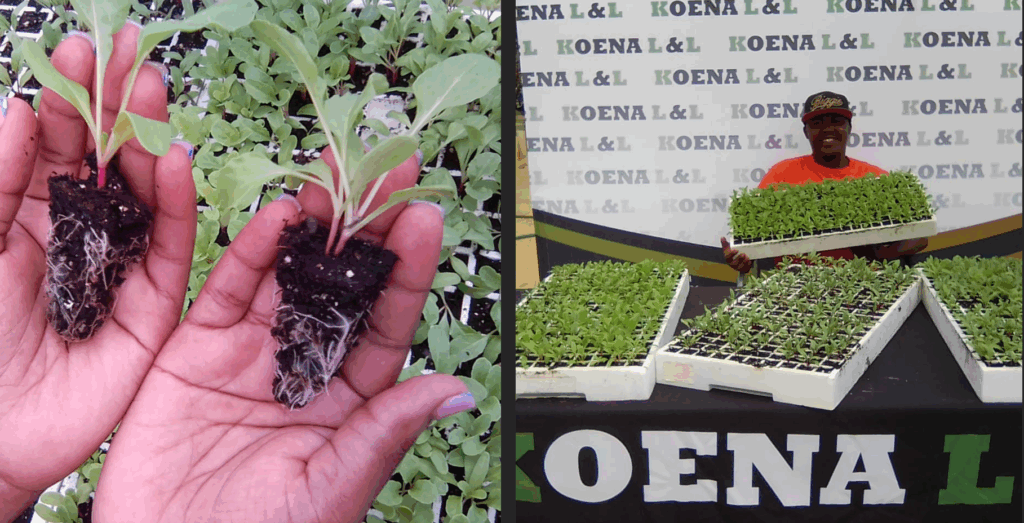
High-Level Project Approach and Implementation

Umsizi’s approach to implementing green economy options involves a detailed plan and strategy. We have identified two “Ready to Go” projects that can be launched with minimal lead time:

Option 1: Nursery Project

  • Decentralise tree production to home-based growers.
  • Provide training and support through an established nursery.
  • Create a sustainable model where home-growers sell trees back to the nursery.
  • Explore contracts with other industries for further growth and sustainability.

Option 2: Umsizi’s Agricultural Livelihoods and Enterprise Development Programme

  • Empower individuals with diversified livelihoods.
  • Focus on sustainable agriculture, rainwater harvesting, and solar-powered solutions.
  • Provide training and support for both new and existing small-scale farmers.
  • Encourage market-driven production and expansion through networking and partnerships.

Both options aim to deliver significant socio-economic benefits to target communities, promoting long-term sustainability and resilience.

Umsizi’s Record of Impact

Umsizi has a proven track record of creating substantial socio-economic impact across South Africa. Our enduring success comes from our local economic development programmes with the mining industry. Since 2010, we have implemented a sustainable livelihoods programme that has empowered over 30,000 beneficiaries with productive green economic livelihoods. This initiative focused on poverty alleviation, and has now evolved to support high-potential entrepreneurs in the green economy. Another notable success story in the mining sector is our collaboration with Harmony Gold in their labour sending communities in the Eastern Cape, where we delivered numerous impactful Sustainable Livelihoods and Enterprise Development programmes befitting over 2,500 people.


Conclusion

Umsizi Sustainable Solutions is committed to driving sustainable development through innovative and integrated solutions. Our experience and expertise, combined with our partnerships, position us to effectively support clients in achieving their ESG goals through the green economy. We invite you to contact us for more information and to explore partnership opportunities. Together, we can create a more sustainable and prosperous future in South Africa.

Let's Get Started on Your Sustainable Social Solution Today

For inquiries for consulting or project support services or partnership solutions, please contact:

Ntsoaki Mtimkulu or Carole Koussa,

Email: ntsoaki@umsizi.co.za; carole@umsizi.co.za

Phone: 0790784411 (N); 0761647373 (C)

]]>
Umsizi’s Sustainable Relationship Building Programme https://www.umsizi.co.za/umsizis-sustainable-relationship-building-programme/ Thu, 28 Mar 2024 14:47:12 +0000 https://www.umsizi.co.za/?p=2460

Forging Sustainable Communities: Umsizi's Sustainable Relationship Building Programme

In a world grappling with multifaceted challenges, the quest for effective stakeholder engagement, community development, and transformation has never been more crucial. Umsizi Sustainable Social Solutions (Umsizi), a visionary social development company, in partnership with Harmony Gold (Harmony), have introduced a pioneering initiative known as the Sustainable Relationship Building (SRB) programme. This groundbreaking programme is geared towards driving community development and transformation through equipping, supporting, and harnessing the potential of faith leadership and traditional leadership, alongside municipal and government officials. Through the SRB programme, Umsizi and Harmony envision a future where shared social and economic prosperity is not just a dream, but a tangible reality.

At the core of the SRB programme are fundamental pillars carefully designed to ensure its efficacy. Central to this initiative are workshops that serve as pivotal platforms for stakeholders to convene, identify challenges, explore opportunities, and collectively devise solutions. This collaborative approach involves a diverse spectrum of participants, including faith leaders, traditional leaders, leaders of community-based organisations (CBOs) and government representatives, fostering a multidimensional understanding of community dynamics.

What sets the SRB programme apart is its emphasis on homegrown solutions. Instead of imposing standardised strategies, the programme encourages communities to take the lead in identifying their distinct developmental needs, recognising their agency and crafting contextually relevant solutions. This tailored approach ensures that strategies are not only culturally sensitive, but also sustainable, paving the way for lasting progress.  In effect, faith leaders and traditional leaders are  empowered to become agents of change in addressing social and economic issues within their communities.

In practical terms, the SRB programme has been introduced to key leaders, including the Mayor of the Mbhashe Local Municipality and the AmaXhosa Royal Family Council. The response has been overwhelmingly positive, with these leaders acknowledging the programme’s potential to tackle entrenched issues and uplift their communities.

The SRB programme’s official launch marked a significant milestone, garnering support from influential figures such as the Royal Council Chair, the Mayor’s Office, the Council of Churches, and the Local House of Traditional Leaders. These leaders lauded the programme’s multifaceted approach and its capacity to catalyse a positive ripple effect.

As expressed by Inkosi Mthwesi, Chairperson of the Mbhashe Local House of Traditional Leaders, “We appreciate Harmony Gold and Umsizi for coming to facilitate a homegrown solution for development in our communities, bringing together all stakeholders.”

This sentiment resonates with other leaders who recognise the Sustainable Relationship Building programme’s potential to empower communities and foster sustainable change, including:

Mama Sigcau, AmaXhosa Royal Council Chair “As a Royal Council we have been praying for something like this, we have a vision, but we did not have partners to support it.  Thus, these programmes are contributing to our vision and will help enhance the dignity of our people”

Inkosi Nhlokondala, Colosa Komkhulu “We appreciate as traditional leaders that you are acknowledging the importance and relevance of our institution and committed to help us find sustainable ways of development, we are committed to this program”

Pastor Nyathela-Mbhashe, MRM & Council of Churches Chairperson “We shall make sure these programmes succeed; this is what our people need”

As a result of their participation in the SRB programme, Pastor Madlala and his wife became sensitised to the challenges being faced by their communities, including drugs and substance abuse, crime, murder, rape and others.  Consequently, they initiated a community awareness campaign that brought together some of the faith leaders participating in the SRB programme. This event garnered significant community turnout, with an estimated 95 people attending. The pastors acknowledged that had it not been for the SRB programme, such collaborative efforts would have not been initiated as, although they come from the same locality, the pastors have never previously worked together.  The SRB programme therefore offered them a platform and an opportunity to collaborate together as they address pressing community challenges.

A robust framework development is another foundation of the SRB programme. This involves crafting a comprehensive vision and action plan that caters to both micro and macro-level aspirations. The programme also establishes a platform or forum to facilitate the exchange of best practices and insights, fostering cross-pollination of ideas and stimulating collaboration for amplified impact.

The SRB journey unfolds through a methodically orchestrated sequence of steps, ranging from community mobilisation, capacity building, stakeholder engagement, coaching and mentoring.  Central to this journey are workshops that serve as spaces for critical conversations, addressing themes like comprehending poverty’s dimensions, nurturing caring communities, and igniting transformative leadership. Once the leaders have gone through the capacity building programme, they are then trained to be able to facilitate the workshops or sessions of the programme in their community based on their perceived needs.

As a result of this cascade approach, some leaders have already started facilitating the programme in their communities.  To date, a total of 48 participants in the SRB programme (28 in Dutywa and 25 in Willowvale) have been  trained to become SRB workshop facilitators. . The emphasis of the training was to ensure that they are able to run workshops in their communities with minimum resources to ensure the programme is sustainable.

Above: Mrs Ludonga from Dutywa Women Support Centre together with her staff facilitating a session after her training. She was able to mobilize 36 faith and traditional leaders from different villages for her workshop.

Insights gleaned from the programme’s initial phases underscore the importance of aligning activities with community calendars, ensuring optimal participation. Integration emerges as a critical strategy, as the collaborative nature of the programme empowers various sectors to collectively address challenges. These lessons will inform the SRB programme’s evolution and optimisation as it progresses. Through its inclusive approach, the SRB programme stands as a testament to how traditional and faith leaders, government officials, and development organisations can unite to usher in an era of shared prosperity and transformation through a movement of Change Agents.

Umsizi’s unwavering commitment to this programme underscores its dedication to fostering positive change through innovation and collaborative partnerships.

Let's Get Started on Your Sustainable Social Solution Today

For media inquiries or partnership opportunities, please contact:
Umsizi SRB Team
Email: info@umsizi.co.za,
Phone: +27 11 791 2157

About Umsizi Sustainable Social Solutions:
Umsizi is a trailblazing organisation dedicated to Corporate Social Responsibility (CSR) and environmental, Social, and Governance (ESG) initiatives, committed to fostering sustainable development and making a positive, enduring impact on society.

]]>
Umsizi’s Visionary CSR and ESG Offerings for 2024 https://www.umsizi.co.za/umsizis-visionary-csr-and-esg-offerings-for-2024/ Tue, 19 Mar 2024 07:44:56 +0000 https://www.umsizi.co.za/?p=2445

Umsizi's Visionary CSR and ESG Offerings for 2024: Transforming Lives, Beyond Mere Compliance

Johannesburg, March 8, 2024 —Umsizi Sustainable Social Solutions (Umsizi), a prominent advocate for Corporate Social Responsibility (CSR), is excited to unveil its comprehensive agenda for 2024 through its dedicated corporate social responsibility initiatives, Umsizi Solutions, and Impophomo Rushing Waters. With a focus on CSR initiatives, Umsizi creates significant positive change by ensuring that its services are board-based and include Enterprise Development, Social Renewal, and Livelihoods Programmes. This initiative reflects Umsizi’s dedication to making a meaningful impact beyond regulatory requirements, emphasizing its commitment to environmental, social and governance (ESG+R) responsibilities and sustainable development.

CSR and ESG Offerings Food Security

Driving Socio-Economic Growth with Purpose

Umsizi’s commitment to socio-economic development takes a multifaceted approach, focusing initially on addressing food security and income generation through the establishment of small businesses. This strategy aims to foster local economies, contributing significantly to poverty alleviation.

Enterprise Development

Umsizi recognizes the pivotal role of enterprise development in creating sustainable economic growth. Through Impophomo, Umsizi implements initiatives that empower local entrepreneurs, fostering business growth and job creation.

Social Renewal

The heart of Umsizi’s mission lies in social renewal. Our initiatives are designed to uplift and empower vulnerable communities, emphasizing holistic development that spans both immediate and long-term needs.

Livelihoods Programmes

Umsizi is dedicated to designing and implementing Livelihoods Programmes that address the core challenges faced by communities, providing sustainable solutions for income generation and economic empowerment.

Showcased CSR and ESG Endeavor

  1. CareerBuild:
    • Empowering young minds through career development programmes, focusing on decision-making and goal planning.
  1. Early Childhood Development:
    • Supporting beneficiary creches, providing educational essentials for early childhood education.
  1. Women’s Empowerment:
    • Hosting bi-annual empowerment events addressing nutrition, hygiene, gender-based violence, and providing essential resources to women in need.
  1. Sports Development:
    • Hosting an annual sports tournament to bring hope to young athletes and address social challenges in the community.
  1. Food Gardens and Food Security – Horticulture:
    • Empowering communities to grow healthy food, and promoting sustainable agriculture practices.
  1. Christmas Gift Initiative:
    • Annual outreach benefiting underprivileged children entering their initial year of school by providing essential stationery, toiletries, and educational toys.
  1. GBV and Recovery Training:
    • Conducting capacity-building workshops for faith leaders to address gender-based violence and addiction recovery.
  1. Partnership and Aid:
    • Collaborating with communities and organisations to facilitate community aid and support initiatives, ensuring a wide-reaching impact.
  1. Food Relief and Hospital Ministry and Aid:
    • Addressing the needs of vulnerable individuals through food drives, hospital ministry, and community outreach programmes


Special Focus on Social Development and Governance Programmes: Umsizi places a special focus on Social Development and Governance Programmes, acknowledging their critical role in creating lasting positive change. By prioritizing these elements, Umsizi aims to contribute significantly to societal well-being and effective governance structures.

Corporate Social Investment – A Catalyst for Sustainable Change: Umsizi reaffirms the importance of CSR initiatives that go beyond legal obligations, aligning with a philosophy that emphasizes actions promoting social good. As per the BEE Act of 2003 and the Codes of Good Practice, Umsizi’s approach ensures long-term sustainability and benefit to communities.

Highlighted Initiatives with Proven Impact: Our CSI initiatives, managed through the fully-fledged BBBEE-certified NPO, Impophomo, have consistently delivered impactful results. From career development and early childhood education to women’s empowerment and sports development, Umsizi’s initiatives address a spectrum of community needs.

Ensuring Effective CSI Spend: Umsizi supports corporations in managing their CSI spend effectively, ensuring funds designated for community upliftment reach their intended target. Additionally, Umsizi provides partners adhering to BBBEE requirements with essential compliance certificates and relevant documentation for both compliance and tax purposes.

Invitation to Transformative CSR and ESG+R Initiatives: With a proven track record and alignment with global ESG+R principles, Umsizi invites corporations to join hands in creating a lasting impact on vulnerable individuals and communities. By partnering with us, businesses can contribute to a positive and sustainable future.

Let's Get Started on Your Sustainable Social Solution Today

For media inquiries or partnership opportunities, please contact:
Jennifer Padayachee,
Email: Jennifer@umsizi.co.za,
Phone: 0829905475

About Umsizi Sustainable Social Solutions:
Umsizi is a trailblazing organisation dedicated to Corporate Social Responsibility (CSR) and environmental, Social, and Governance (ESG) initiatives, committed to fostering sustainable development and making a positive, enduring impact on society.

]]>